


Spain is home to hundreds of Blue Flag beaches, stretching from the Mediterranean coast to the Atlantic and the Spanish islands.
For international buyers considering property near the coast, choosing the right location is about much more than the property itself. Beach quality, safety, accessibility, local services and how the surrounding environment is managed can all form part of that decision.
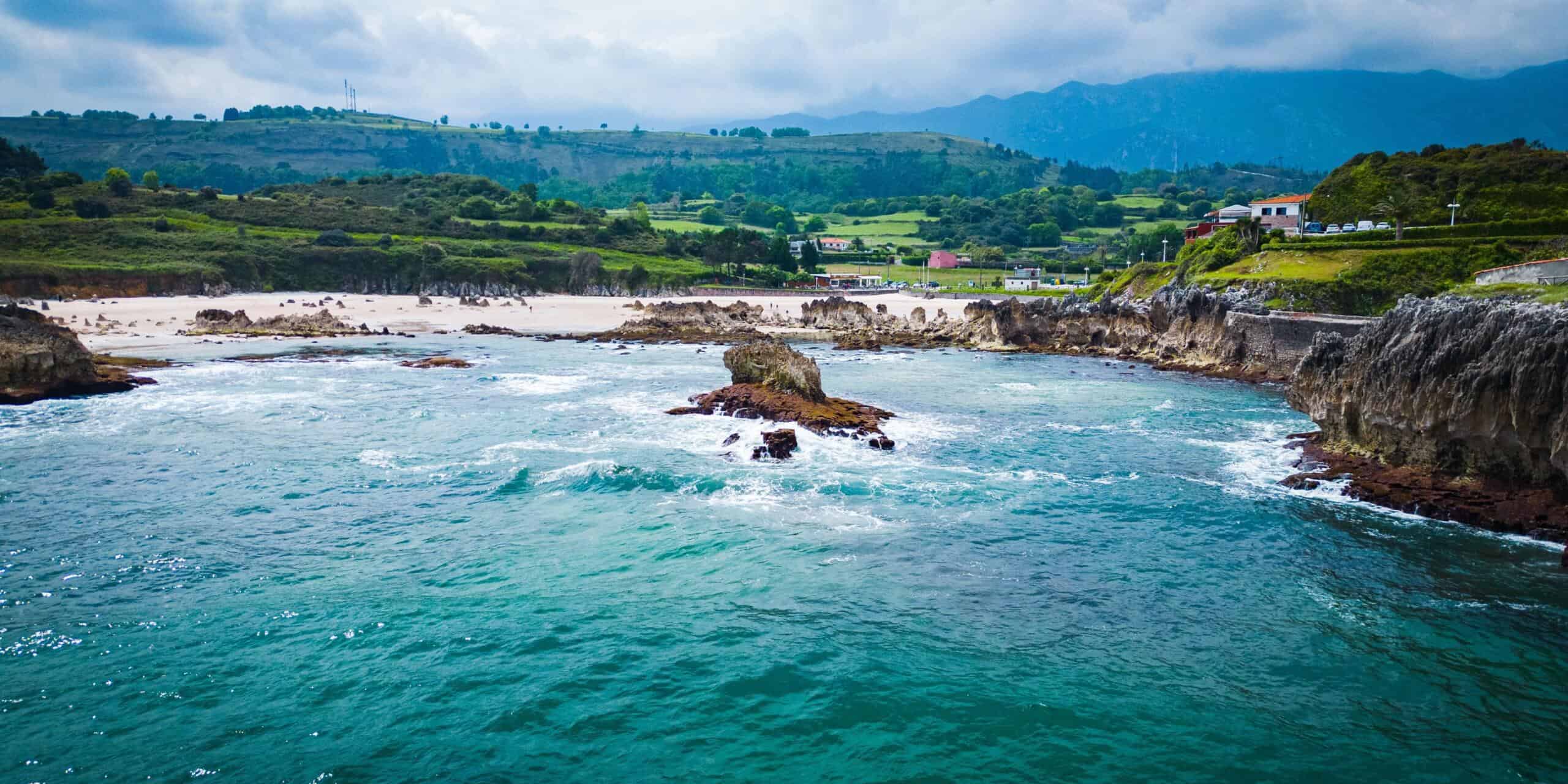
So, what does a Blue Flag actually mean? In this guide, we explain how the award works, where to find Blue Flag beaches across Spain and why they can be a useful consideration when choosing where to buy a coastal property.
What is a Blue Flag beach?
A Blue Flag beach is a beach that meets a set of international standards covering areas such as water quality, safety, accessibility, environmental management and education.
The Blue Flag programme is run by the Foundation for Environmental Education (FEE) and has grown into one of the world’s most recognised sustainability labels for beaches, marinas and tourism boats.
Today, the programme operates internationally, with more than 5,000 awarded sites around the world.
For visitors, seeing a Blue Flag provides a useful indication that a beach meets recognised standards and is being actively managed to maintain them.

What does a beach need to qualify for a Blue Flag?
To receive a Blue Flag, beaches must meet strict criteria across six key areas:
- Water quality and pollution management: Excellent bathing water quality, regular testing and responsible waste management.
- Safety and services: Appropriate safety measures, first aid and emergency procedures.
- Accessibility: Clear information and accessible facilities where possible.
- Environmental education: Information and activities that promote responsible use of the coastal environment.
- Biodiversity: Measures to protect local habitats, wildlife and sensitive natural areas.
- Climate action: Steps to address issues such as coastal erosion and climate-related risks.
Blue Flag beaches must continue to meet these standards to retain the award.
Why do Blue Flag beaches matter?
A Blue Flag is about much more than having a beautiful beach.
It indicates that factors such as bathing water quality, safety, accessibility, environmental protection and visitor services have been assessed against established standards.
For international buyers considering a home near the Spanish coast, these factors can also provide useful information when comparing different locations. A Blue Flag cannot tell you where to buy, but it can help you understand how nearby beaches and their surrounding environments are managed.
How many Blue Flag beaches are there in Spain?
Spain has 677 Blue Flag beaches in 2026, alongside 111 Blue Flag marinas across the country. The awards cover 258 municipalities, reinforcing Spain’s position as one of the world’s leading destinations for recognised beaches and coastal facilities.
Internationally, 5,274 sites received a Blue Flag in 2026, including 4,371 beaches, 745 marinas and 158 tourism boats across 53 countries.
Spain’s awarded beaches extend across the Mediterranean and Atlantic coasts as well as the Balearic and Canary Islands, offering very different options for those considering life near the sea.
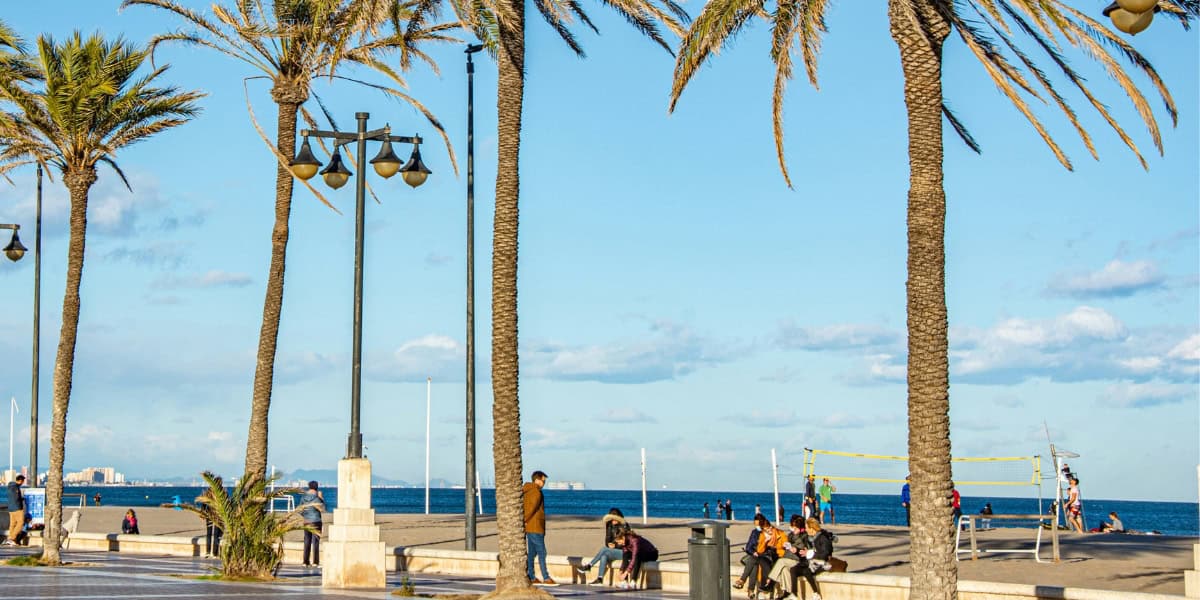
Which Spanish regions have the most Blue Flag beaches?
The Valencian Community, Andalusia and Galicia are among the leading regions for Blue Flag beaches in Spain.
The Valencian Community leads with 152 Blue Flag beaches, while Galicia has 118. These regions also show how varied coastal living in Spain can be, from Mediterranean destinations such as Alicante and Valencia to Galicia’s greener Atlantic coastline.
Other parts of Spain with significant numbers of awarded beaches include Catalonia, the Canary Islands, the Balearic Islands and the Region of Murcia.
Blue Flag beaches to discover across Spain
With such a varied coastline, choosing where to live or buy property in Spain often comes down to the lifestyle and surroundings you are looking for.
Here are some of the coastal destinations and Blue Flag beaches worth exploring.
| Coastal area | Blue Flag beaches to discover | Coastal lifestyle |
| Costa Blanca | Sant Joan, Ponent, Arenal, Granadella | Mediterranean living |
| Costa del Sol | La Malagueta, Cabopino, Burriana | Sunshine and coastal living |
| Costa Brava | Llafranc, Tamariu, Sa Conca, Fenals | Coves and coastal towns |
| Barcelona & Sitges | Bogatell, Nova Icària, Balmins, Terramar | City and sea |
| Costa Daurada | Altafulla, Tamarit, L’Arrabassada | Relaxed Mediterranean living |
| Cádiz | La Barrosa, Zahara de los Atunes, La Victoria | Atlantic coast |
| Balearic Islands | Formentor, Cala Mondragó, Son Bou | Mediterranean island living |
| Canary Islands | Maspalomas, El Duque, Las Vistas | Year-round island living |
| Galicia | Riazor, Bastiagueiro, Doniños | Green Atlantic coast |
Selected Blue Flag beaches in Spain, 2026. Blue Flag status is awarded annually and may change.
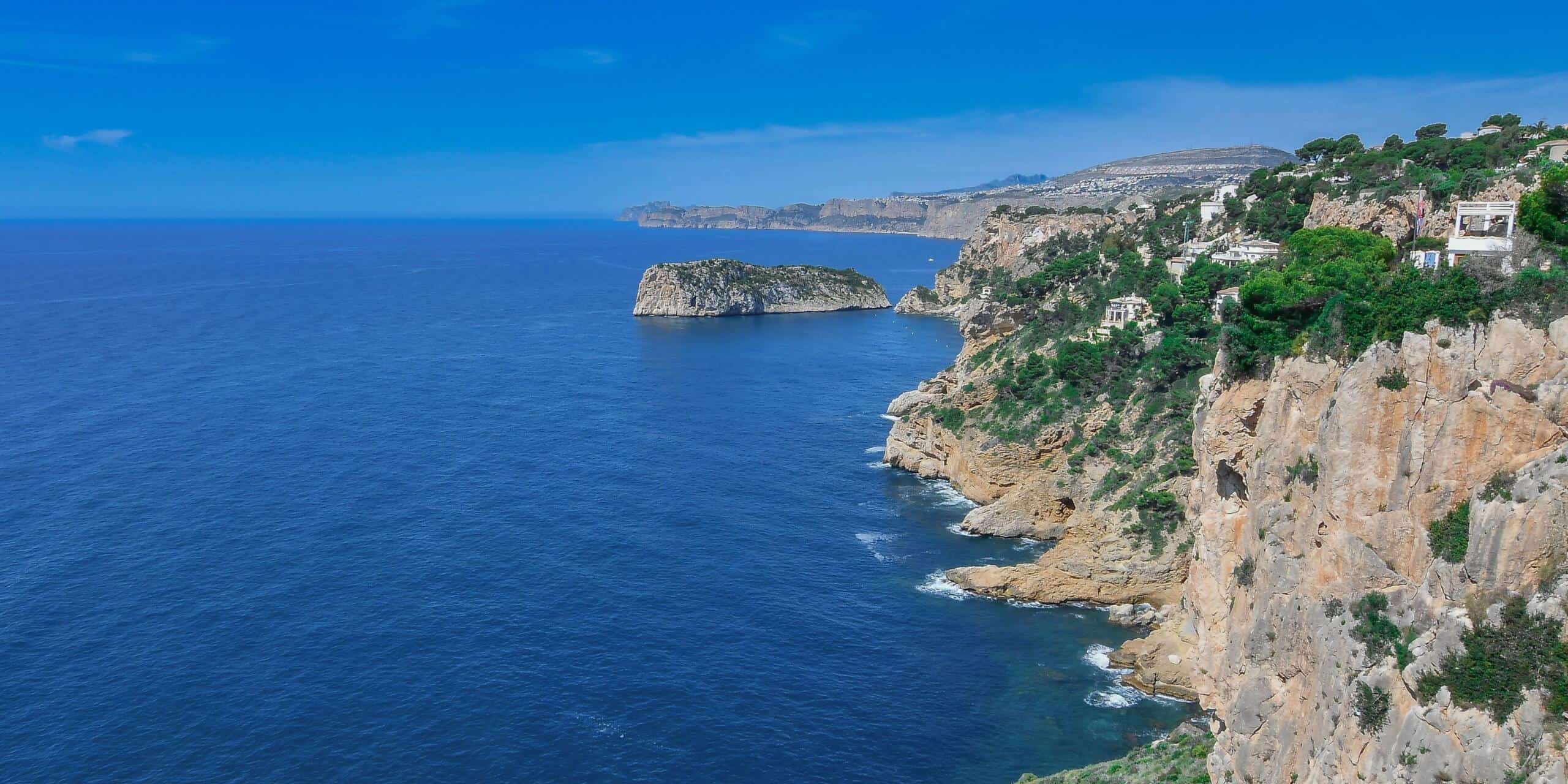
Costa Blanca: Mediterranean living
The Costa Blanca is one of Spain’s most popular coastal areas among international residents and property buyers. It combines long sandy beaches, smaller Mediterranean coves and towns with year-round services.
Blue Flag beaches worth discovering include:
- Playa de Sant Joan
- Ponent, Benidorm
- Arenal, Jávea
- Granadella, Jávea
For buyers, the Costa Blanca offers a wide choice of coastal locations, from established resort towns to quieter residential areas.
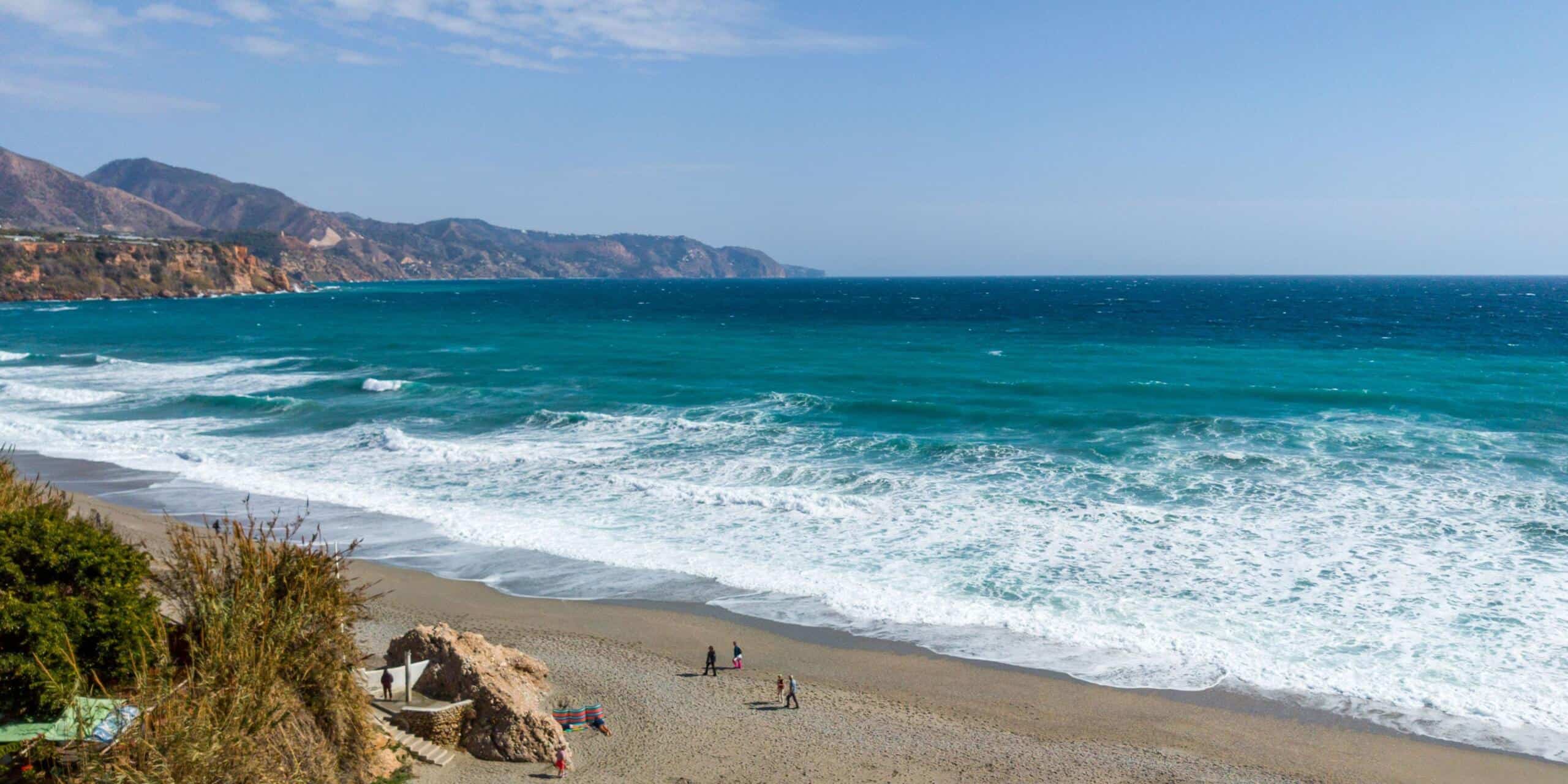
Costa del Sol: coastal living in Andalusia
The Costa del Sol combines beaches, year-round sunshine and the distinctive lifestyle of southern Spain. Málaga and the surrounding coastal towns also offer strong international connections and established services.
Blue Flag beaches worth discovering include:
- La Malagueta
- Cabopino
- Nagüeles–Casablanca
- Burriana, Nerja
Its combination of coastal living and established international communities makes the area particularly popular with overseas buyers.
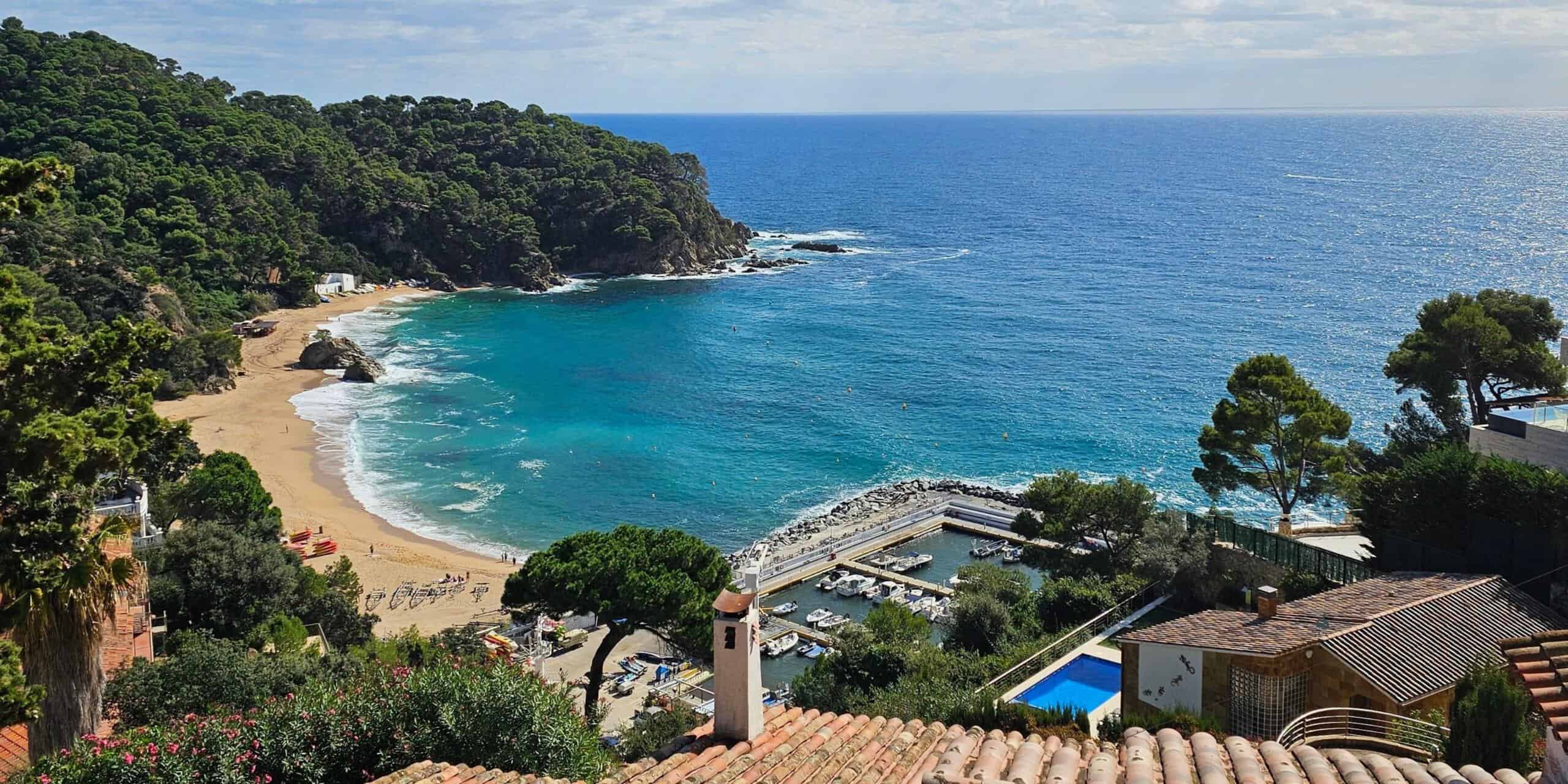
Costa Brava: coves and coastal towns
The Costa Brava offers a different Mediterranean landscape, characterised by smaller coves, clear water, pine-covered coastline and traditional coastal towns.
Blue Flag beaches worth discovering include:
- Llafranc
- Tamariu
- Sa Conca
- Fenals
It can be particularly appealing to buyers who prefer smaller towns and a quieter Mediterranean setting.

Barcelona and Sitges: city and sea
Barcelona combines the lifestyle and transport links of a major European city with direct access to the Mediterranean.
Blue Flag beaches worth discovering in Barcelona include:
- Bogatell
- Nova Icària
- Mar Bella
- Sant Sebastià
Nearby Sitges provides another option for those who want access to Barcelona while living in a smaller coastal town.
Blue Flag beaches worth discovering in Sitges include:
- Balmins
- La Ribera
- Terramar
Together, Barcelona and Sitges offer an interesting balance between culture, connectivity and coastal living.
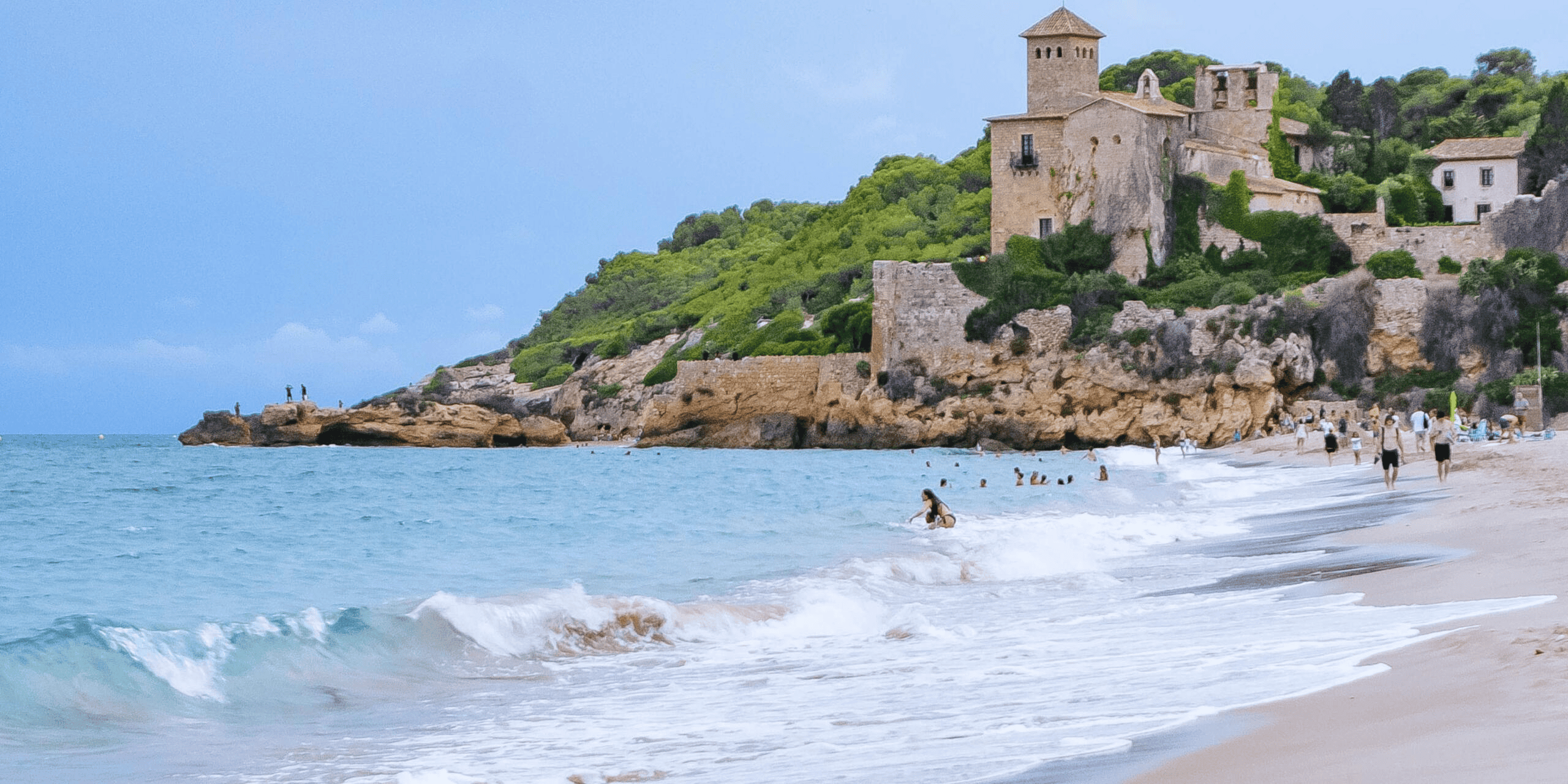
Costa Daurada: relaxed Mediterranean living
South of Barcelona, the Costa Daurada is known for wide sandy beaches, historic towns and a relaxed coastal atmosphere.
Blue Flag beaches worth discovering include:
- Altafulla
- Tamarit
- L’Arrabassada
- Vilafortuny
The area can appeal to buyers looking for quieter Mediterranean living while remaining within reach of Barcelona.
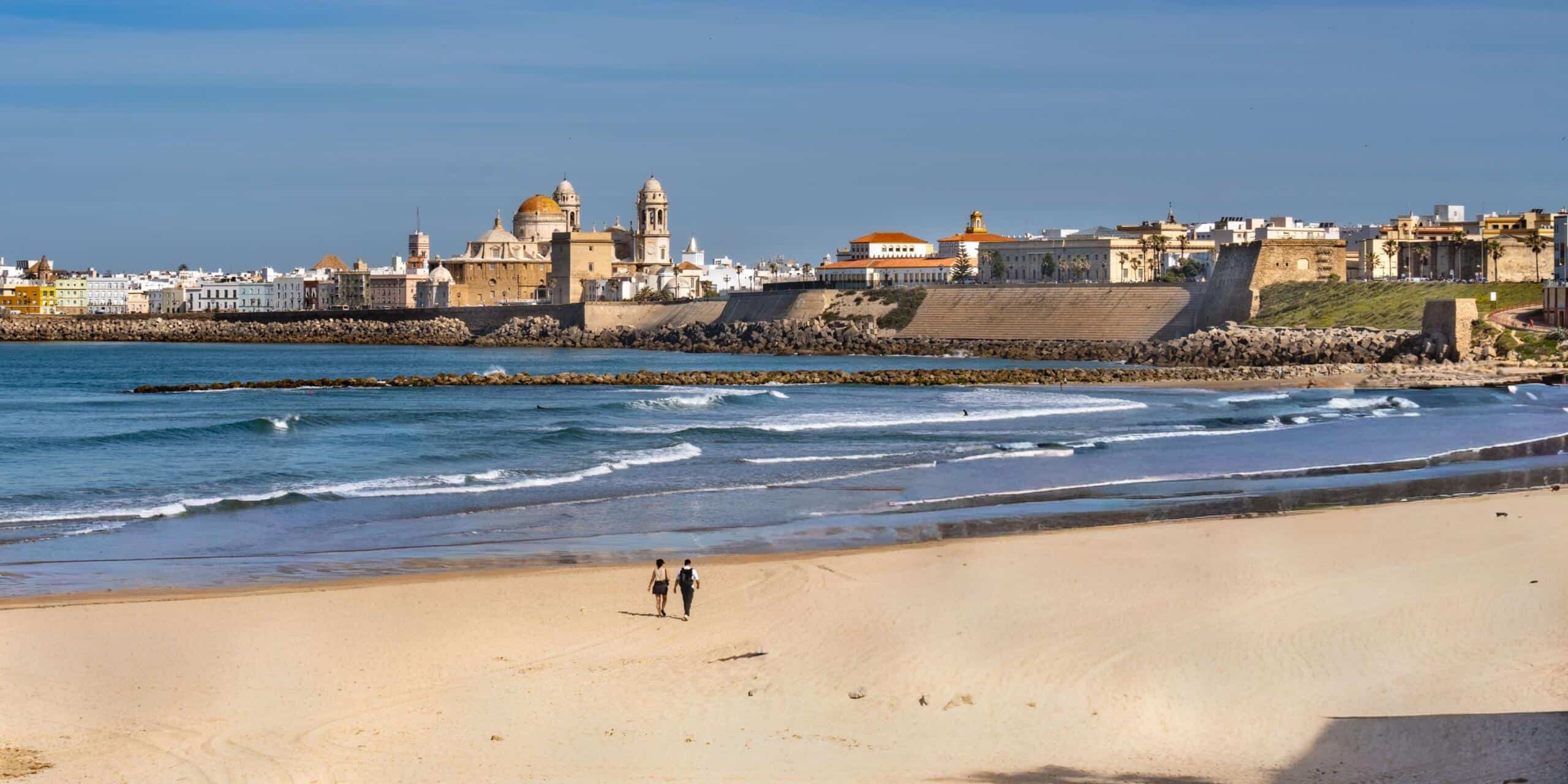
Cádiz: Spain’s Atlantic coast
Cádiz offers a very different side of coastal life in southern Spain, with long Atlantic beaches, open landscapes and distinctive coastal towns.
Blue Flag beaches worth discovering include:
- La Barrosa
- Zahara de los Atunes
- La Victoria
- El Palmar
For buyers looking beyond Spain’s Mediterranean coast, Cádiz offers a combination of nature, space and a more relaxed Atlantic setting.

Balearic Islands: Mediterranean island living
The Balearic Islands combine island life with some of Spain’s best-known beaches and natural landscapes.
Blue Flag beaches worth discovering include:
- Formentor, Mallorca
- Cala Mondragó, Mallorca
- S’Amarador, Mallorca
- Son Bou, Menorca
Mallorca and Menorca are particularly popular with international buyers considering a second home, permanent relocation or island living.

Canary Islands: coastal living all year round
The Canary Islands offer volcanic landscapes, Atlantic beaches and a mild climate that makes outdoor living possible throughout much of the year.
Blue Flag beaches worth discovering include:
- Maspalomas, Gran Canaria
- El Duque, Tenerife
- Las Vistas, Tenerife
- Costa Calma, Fuerteventura
For buyers considering year-round island living, the Canaries offer a wide variety of coastal locations and established international communities.
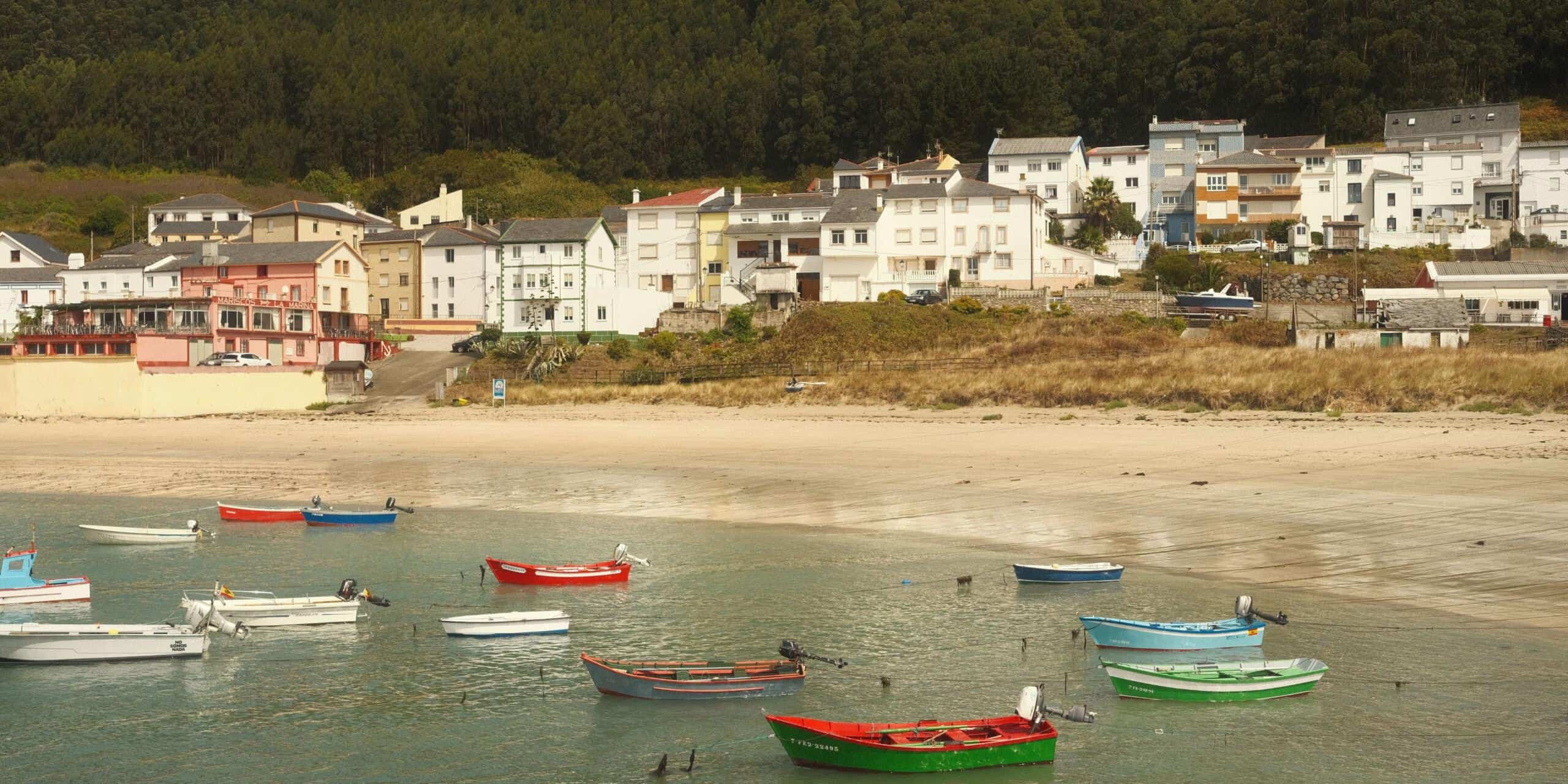
Galicia: Spain’s green Atlantic coast
Galicia offers another alternative to the Mediterranean, with green landscapes, an extensive Atlantic coastline and a distinctly different climate and character.
Blue Flag beaches worth discovering include:
- Riazor
- Bastiagueiro
- Doniños
- O Ézaro
It may be particularly appealing to buyers looking for nature, quieter surroundings and a cooler Atlantic climate.

The Valencian coast beyond Alicante
The Valencian Community has 152 Blue Flag beaches in 2026, the highest number of any Spanish region.
Beyond Alicante, Blue Flag beaches worth discovering include:
- Racó de la Mar, Canet d’en Berenguer
- Nord, Gandía
- Voramar, Benicàssim
- Nord, Peñíscola
These destinations offer further options for buyers interested in Mediterranean living beyond some of Spain’s best-known international property markets.
What do Blue Flag beaches mean for international property buyers?
For international buyers considering a home on the Spanish coast, the surrounding lifestyle can be just as important as the property itself.
A Blue Flag does not indicate property value, but it can help identify coastal areas where water quality, safety, accessibility and environmental management are treated as priorities.
For buyers comparing different locations, this can be another useful factor when deciding where to buy property in Spain.
Choosing where to buy property on the Spanish coast
There is no single best place to buy property on the Spanish coast. The right location depends on your budget, lifestyle and plans for the property.
The Costa Blanca and Costa del Sol offer established international communities and Mediterranean living, while Barcelona and Sitges combine coastal life with excellent international connections. The Balearic and Canary Islands provide two very different approaches to island living, while Cádiz and Galicia offer alternatives along Spain’s Atlantic coast.
Once you have identified where you would like to buy, understanding your financing options early can help you establish a realistic budget before beginning your property search.
Frequently asked questions about Blue Flag beaches
What does a Blue Flag mean on a beach?
A Blue Flag means that a beach has met internationally recognised requirements covering areas including water quality, safety, accessibility, environmental management and education. Awarded beaches must continue to meet the programme’s standards to retain their Blue Flag status.
How many Blue Flag beaches are there in Spain?
Spain has 677 Blue Flag beaches in 2026, as well as 111 awarded marinas. The Valencian Community has the largest number of awarded beaches, with 152, followed by other major coastal regions including Andalusia and Galicia.
Are Blue Flag beaches safe for swimming?
Blue Flag beaches must meet requirements for bathing water quality and safety, including appropriate safety measures and emergency procedures. However, conditions can change, so visitors should always follow local signs, flags and safety advice when swimming.
Are Blue Flag beaches important when buying property in Spain?
They can be one useful consideration when comparing coastal locations. Blue Flag status provides information about water quality, safety, accessibility and environmental management at a nearby beach, but buyers should also consider property prices, local services, transport connections and their own lifestyle requirements.


