


Barcelona continues to attract international buyers thanks to its Mediterranean lifestyle, strong infrastructure and relatively competitive living costs compared with many major global cities.
The cost of living in Barcelona in 2026 varies depending on lifestyle and housing choices, but average monthly expenses are approximately €804 for a single person and €2,884 for a family of four, excluding rent.
Housing remains the largest expense, while groceries, transport and leisure costs remain relatively affordable compared with major European capitals such as London, Paris and Amsterdam.
However, living costs can vary depending on neighbourhood, housing choices and personal lifestyle, so budgeting carefully remains essential when planning a move to the city.
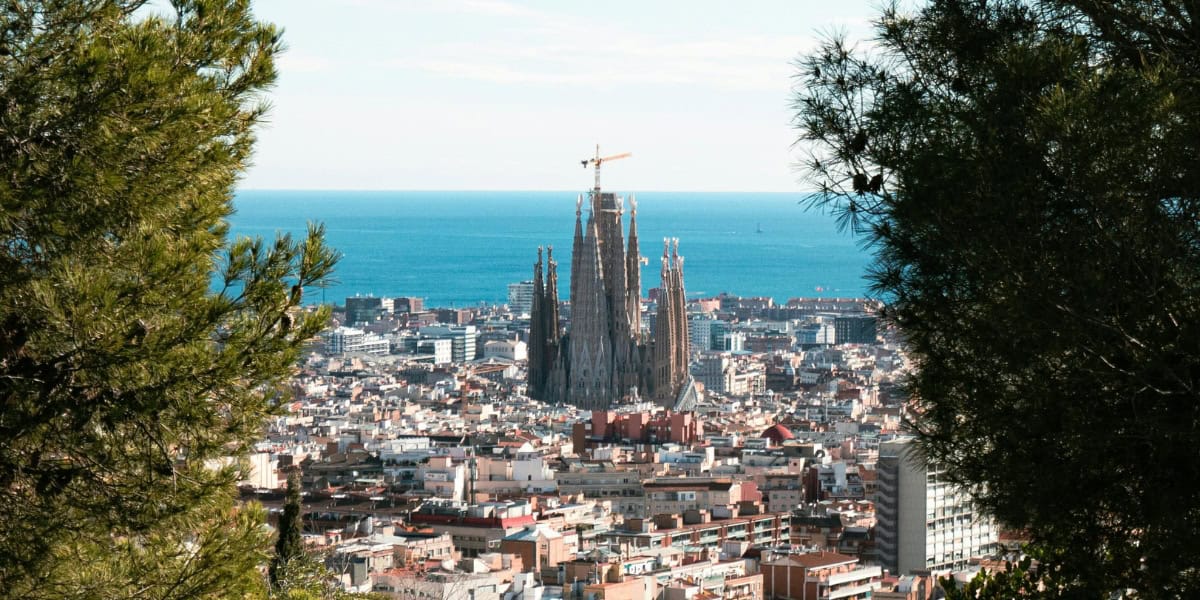
Quick answer: Is Barcelona expensive in 2026?
Barcelona is one of the more expensive cities in Spain, primarily due to housing costs. However, overall living expenses remain lower than many major international cities.
- Rent for a one-bedroom apartment: €1,096–€1,438/month
- Average property price: ~€5,150–€5,200 per m²
- Monthly living costs (excluding rent):
- Single person: ~€804
- Family of four: ~€2,884
For international buyers earning in stronger currencies, Barcelona can still represent good relative value.
Key takeaways: Cost of living in Barcelona
- Average monthly expenses are around €804 for a single person excluding rent
- A family of four typically spends around €2,884 per month excluding rent
- Average monthly net salary after tax in Barcelona is around €2,069
- Rent for a one-bedroom apartment averages €1,096–€1,438 depending on location
- Average property prices are around €5,176 per m²
Average monthly costs in Barcelona
| Expense | Estimated monthly cost |
| Groceries | €250–€350 |
| Transport | €20–€40 |
| Utilities | €100–€150 |
| Gym membership | €30–€68 |
| Dining out | €150–€250 |
Housing costs in Barcelona
Housing is generally the largest component of the cost of living in Barcelona, particularly for international residents relocating to the city.
Compared with other Spanish regions, property prices and rents in Barcelona are often perceived as high. However, they remain more affordable than many other European capitals.
Average monthly rent in Barcelona
| Property type | Average price |
| 1-bedroom apartment (city centre) | €1,438 |
| 1-bedroom apartment (outside city centre) | €1,096 |
| 3-bedroom apartment (city centre) | €2,236 |
| 3-bedroom apartment (outside city centre) | €1,698 |
Rental prices vary depending on neighbourhood, proximity to the coastline and access to public transport.
Many international residents also consider purchasing property rather than renting, particularly when planning long-term relocation or second-home ownership.
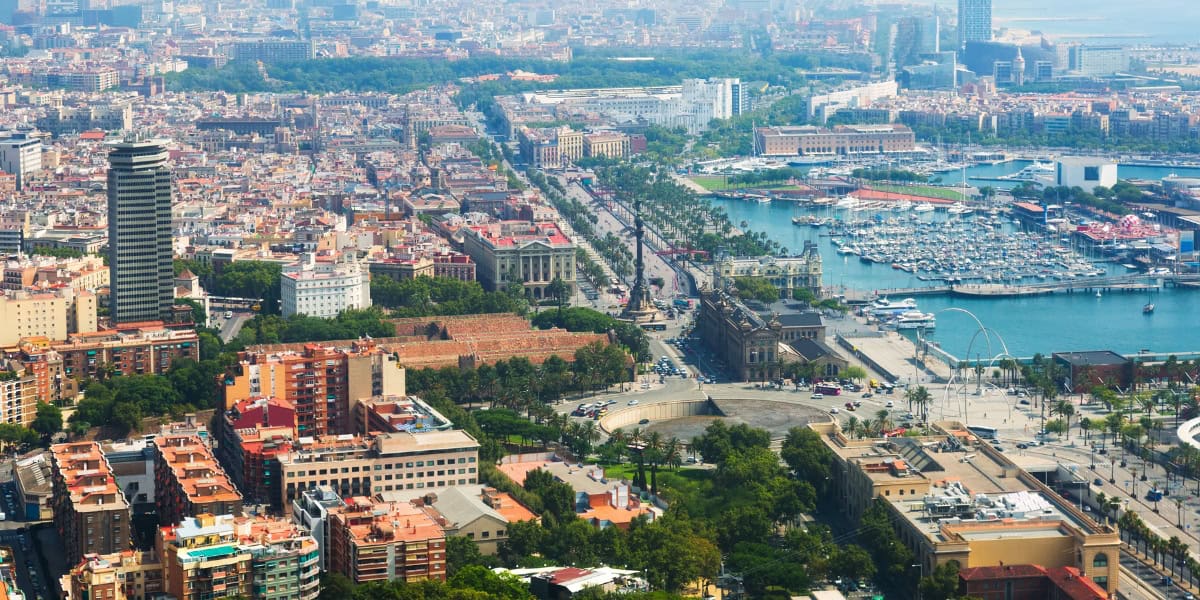
Food and grocery costs in Barcelona
Food costs in Barcelona remain relatively reasonable compared with many Western European cities.
Residents benefit from a wide range of supermarkets, from affordable chains such as Mercadona, Lidl and Día to larger international supermarkets and premium organic stores.
Typical grocery prices
| Product | Typical price range |
| Apples (1 kg) | €1.49 – €4.00 |
| Potatoes (1 kg) | €1.00 – €2.00 |
| Bread (loaf) | €0.80 – €3.31 |
| Milk (1 litre) | €0.85 – €1.40 |
| Cheese (1 kg) | €7.49 – €30.00 |
| Rice (1 kg) | €1.00 – €3.00 |
| Chicken (1 kg) | €5.00 – €12.00 |
| Beef (1 kg) | €8.50 – €25.00 |
| Eggs (12) | €1.20 – €5.40 |
Dining out is also relatively accessible compared with many European cities.
Typical prices include:
- Meal at an inexpensive restaurant: around €16
- Three-course meal for two at a mid-range restaurant: around €60
Transport and mobility cost in Barcelona
Barcelona has one of the most efficient public transport systems in Spain, including metro, buses, trams, regional trains and “the Bicing” public bike scheme.
A monthly public transport pass typically costs between €20 and €40, depending on zones and available discounts.
Due to the city’s layout, many residents also rely on walking or cycling, helping keep transport costs relatively low.
Entertainment and leisure costs
Barcelona offers a wide range of leisure activities at relatively moderate prices compared with other major European cities.
Typical costs include:
- Cinema ticket: around €10
- Monthly gym membership: €30–€68
- Museum entry: €10–€15, although many museums offer free admission on selected days.
The city’s beaches, parks and public spaces also provide numerous free leisure options, contributing to Barcelona’s overall quality of life.
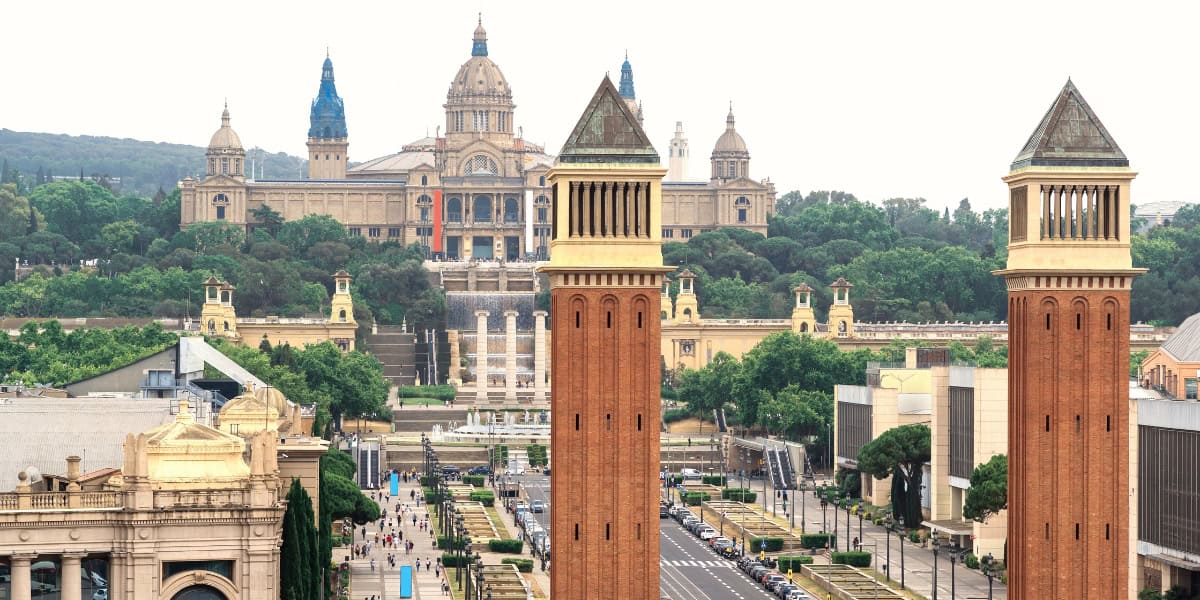
Cost of living in Barcelona compared with major cities
One of the reasons Barcelona continues to attract international residents is that everyday living costs remain lower than many global financial centres.
Barcelona vs London
- Cost of living: 33.7% lower
- Rent prices: 48% lower
- Groceries: 18.5% lower
Barcelona vs New York
- Cost of living: 41.5% lower
- Rent prices: 66.1% lower
- Groceries: 43.9% lower
Barcelona vs Paris
- Cost of living: 24.6% lower
- Rent prices: 13.7% lower
- Groceries: 27.7% lower
Barcelona vs Amsterdam
- Cost of living: 27.9% lower
- Rent prices: 36.3% lower
- Groceries: 24.2% lower
These comparisons highlight why Barcelona remains attractive to international professionals, retirees and property investors.
(Source: Numbeo cost of living data)
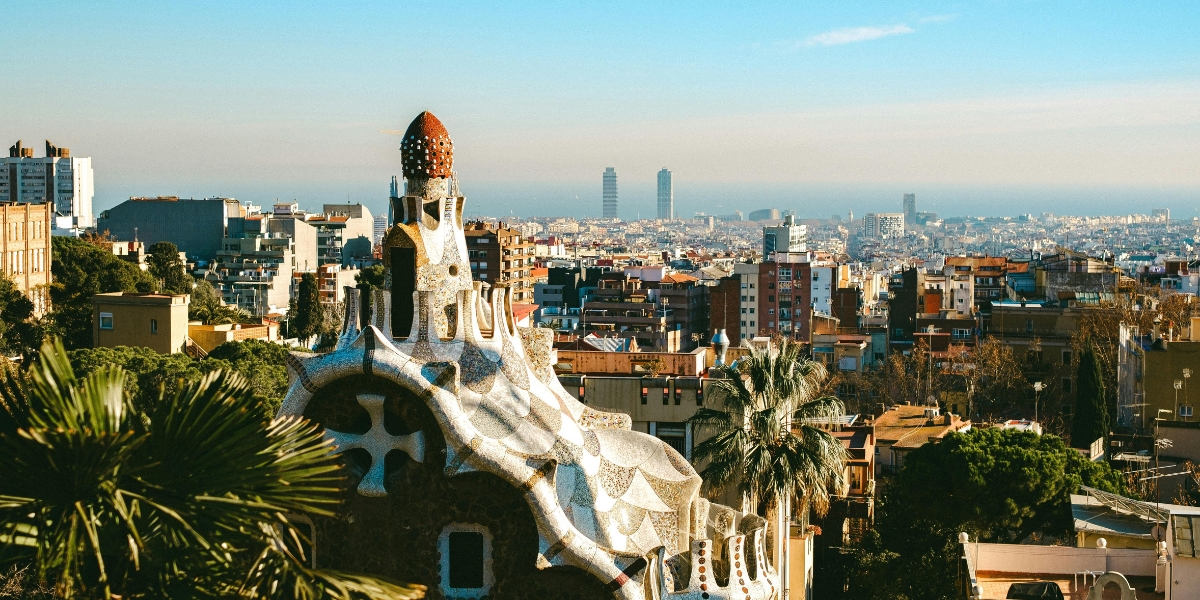
Property prices in Barcelona: what buyers should expect
For international buyers considering purchasing property in the city, understanding property prices in Barcelona is just as important as understanding everyday living costs.
According to recent housing market data from Idealista, the average property price in Barcelona is approximately €5,176 per square metre.
This means the total purchase cost of a property can vary significantly depending on location, property size and building quality.
Average property prices in Barcelona
| Property location | Average price per m² |
| Apartment in city centre | €6,057 per m² |
| Apartment outside city centre | €4,202 per m² |
For example:
- An 80 m² apartment in the city centre could cost around €485,000
- An 80 m² apartment outside the centre may cost around €336,000
Average property prices in popular Barcelona areas
International buyers often focus on neighbourhoods that offer a combination of lifestyle, connectivity and long-term property value.
| Area | Average price per m² | Estimated price for 80 m² apartment | Why buyers choose it |
| Eixample | €6,200 | €496,000 | Central location, iconic architecture and strong rental demand |
| Gràcia | €5,600 | €448,000 | Village atmosphere with international community appeal |
| El Born / Ciutat Vella | €5,900 | €472,000 | Historic district popular with international buyers and investors |
| Poblenou | €5,300 | €424,000 | Close to the beach and Barcelona’s growing tech district |
| Sarrià-Sant Gervasi | €6,400 | €512,000 | Premium residential area with international schools |
Source: Idealista housing market data
Average income and affordability in Barcelona
Average salaries in Barcelona remain lower than in many Northern European cities, but living costs are also significantly lower.
According to Numbeo, the average monthly net salary after tax in Barcelona is around €2,069.
Separately, Ajuntament de Barcelona data points to an average gross annual salary for city residents, which helps explain why housing costs remain a key affordability consideration.
For international buyers earning income in countries such as the UK, Germany, the Netherlands or the United States, the relative affordability of Barcelona can make property ownership particularly attractive.
Mortgage affordability when buying property in Barcelona
For many international buyers, understanding how property prices translate into mortgage affordability is an important part of planning a move to Spain.
For buyers considering a longer-term move, understanding mortgage affordability can be just as important as understanding rent levels.
For example, a non-resident buyer purchasing a €450,000 apartment in Barcelona may typically finance 60–70% of the property value through a Spanish mortgage, depending on their financial profile.
This means a buyer could require a deposit of approximately €110,000–€180,000, plus additional purchase costs.
Understanding mortgage affordability early helps buyers determine whether purchasing property in Barcelona is financially viable.
Final thoughts: Is Barcelona affordable in 2026?
Although Barcelona is one of the most expensive cities in Spain, the cost of living in Barcelona remains competitive compared with many major international cities.
For international buyers, the combination of strong infrastructure, international connectivity and living costs that remain lower than many major global cities continues to make Barcelona one of Europe’s most attractive destinations.
Understanding both living costs and property prices is essential when planning to relocate or invest in property in the city.
Planning to buy property in Barcelona?
For international buyers planning a longer-term move, the next question is often whether buying makes more sense than renting. Understanding mortgage options early can help clarify borrowing capacity, deposit requirements and overall affordability before committing to a purchase. At Mortgage Direct, we help international buyers assess Spanish mortgage options before they move forward.
Frequently asked questions about cost of living in Barcelona
Average property prices in Barcelona are around €5,176 per square metre, although prices vary by neighbourhood. An 80 m² apartment may cost roughly €336,000 to €480,000, depending on location.
Barcelona is one of the more expensive cities in Spain, mainly due to housing costs. However, the cost of living in Barcelona remains lower than many international cities such as London, Paris or Amsterdam.
Living comfortably in Barcelona depends on lifestyle and housing costs. A single person typically spends around €804 per month excluding rent, while rent for a one-bedroom apartment generally ranges from €1,096 to €1,438 depending on location. In practice, many residents consider a net monthly salary of €2,000–€2,500 sufficient for a comfortable lifestyle.
€1,000 per month may cover basic living expenses in Barcelona excluding rent, such as groceries, transport and daily costs. However, once housing is included, most residents require a higher monthly budget.


